Tracked My Mom’s Blood Pressure for 6 Months Without a Single Miss: How Our Family Stayed Connected Through a Simple App
Keeping up with my mom’s health used to mean daily phone calls, sticky notes on the fridge, and constant worry. Then we found a simple app that changed everything. It didn’t just track her blood pressure—it brought our family closer. No tech expertise needed, no stress. Just real results, shared peace of mind, and a new way to care from afar. This is how we made health tracking effortless. What started as a small experiment turned into a lifeline—one that gave us all more than just numbers on a screen.
The Problem That Hit Too Close to Home
For years, checking in on Mom’s health felt like playing catch-up—calls missed, numbers forgotten, anxiety building. She lived alone, and while she insisted she was fine, we were never quite sure. One morning, she didn’t answer her phone. Nothing serious, just a flat tire and a dead battery. But in that hour of silence, my mind raced. What if it had been something worse? What if her blood pressure spiked and no one knew?
We’d always meant well. I’d call every evening: “Did you check your pressure today?” My brother would text on weekends: “How are the numbers looking?” But it was exhausting—for all of us. She felt nagged. We felt helpless. And the truth was, we had no real way of knowing how she was doing unless she remembered to tell us. It wasn’t her fault. Memory fades. Life gets busy. But when it comes to health, even small gaps can matter.
Then came the wake-up call—not a crisis, but close enough. After a routine doctor’s visit, her physician mentioned her readings had been inconsistent over the past few months. “She’s not logging them regularly,” he said. “That makes it hard to adjust her care.” I looked at Mom. She smiled weakly. “I just forget,” she admitted. That moment changed everything. We realized we needed a system—not more calls, not more guilt, but something simple, automatic, and shared. Something that didn’t feel like work. Something that just… worked.
How a Simple App Became Our Family’s Health Hub
We didn’t want complicated devices or medical jargon. We didn’t need a wearable that tracked 20 different metrics or an app that looked like it belonged in a hospital. What we needed was something that fit into real life—something Mom would actually use. After some research and a few false starts, we found it: a straightforward health tracking app designed for families, not clinicians.
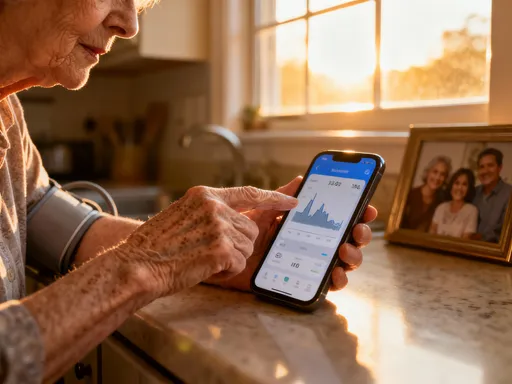
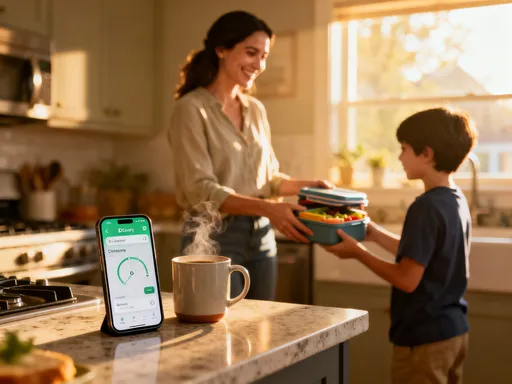
The setup took less than 15 minutes. I connected her blood pressure monitor—just a basic, FDA-cleared upper-arm device—to the app via Bluetooth. Then I created a shared family view. Now, every morning, Mom takes her reading. She taps twice in the app: “Log now.” That’s it. No typing, no calculations. The number appears, the app saves it, and within seconds, it’s visible to me, my brother, and my cousin who lives nearby and checks in weekly.
The app does the rest. It sends her a gentle reminder if she hasn’t logged by 10 a.m. It stores trends over time so we can see if her numbers are improving or if there’s a pattern we should discuss with her doctor. If a reading is unusually high or low, the app flags it—but quietly. No sirens, no panic. Just a soft notification that says, “This reading is outside the usual range. Would you like to share it with your care circle?”
What I love most is that it doesn’t try to replace her doctor. It’s not giving medical advice. It’s simply giving us all better information—so we can ask better questions, notice changes earlier, and support her care in a more meaningful way. It’s not about control. It’s about connection.
Turning Data Into Care: What Changed for Us
At first, I’ll admit, I was skeptical. Would seeing her numbers really make a difference? Or would it just make me more anxious? But within weeks, I realized something powerful: data, when shared with love, becomes care.
One Tuesday morning, her reading was 168 over 96—higher than usual. The app flagged it. I got the notification and called her right away. She said she felt fine, but I asked her to sit down, rest, and retake it. The second reading was still elevated. That afternoon, I helped her call her doctor. They adjusted her medication slightly. No emergency. No hospital. But that small change, caught early, likely prevented a more serious issue down the line.
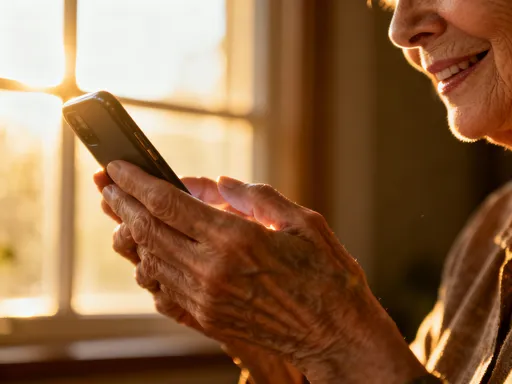
But it wasn’t just the health wins. It was the emotional shift. Mom started to look forward to her morning routine. “It feels like someone’s checking in,” she told me. “Even if no one calls, I know you can see I’m okay.” For her, it became a moment of reassurance. For us, it became peace of mind. We weren’t guessing anymore. We weren’t worrying in the dark. We were part of her care, in real time, without being overbearing.
And honestly? It brought us closer. We started talking more—not just about her numbers, but about her day, her sleep, what she ate. The app didn’t replace conversation. It gave us a reason to have one.
Making It Work for Non-Tech-Savvy Family Members
Let’s be real—Mom is not a tech person. She still uses a flip phone for emergencies. So when I first mentioned an app, she looked at me like I was asking her to fly a drone. “I don’t want another gadget,” she said. “I just want to live my life.” I totally get it. That’s why the key wasn’t pushing technology—it was making it invisible.
We started with just one thing: her blood pressure. One device. One app. I set it up for her, walked her through it twice, and then let her try it on her own. The first week, I called after her morning reading: “Did it work? Did it sync?” By week two, she didn’t need me. Now, she does it without thinking—like brushing her teeth.
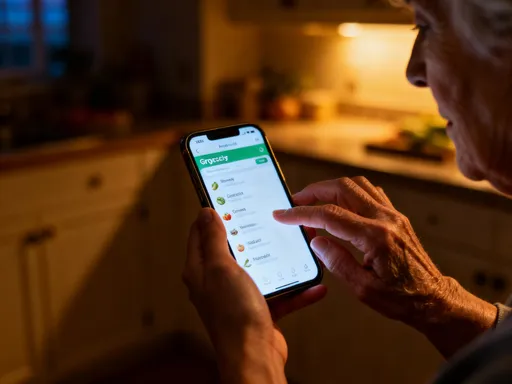
The app’s design made all the difference. Big buttons. Clear labels. Voice prompts that say, “Your reading is ready to log,” in a calm, friendly tone. If she forgets, the reminder comes with a soft chime—no flashing red alerts. And if she logs something unusual, we don’t get a panic alert. We get a gentle nudge: “Mom’s reading was high today. You might want to check in.” It’s thoughtful. It respects her independence while giving us a safety net.
The best part? She feels in control, not monitored. She can choose what to share, with whom, and when. She can turn off notifications if she wants privacy. But she hasn’t. “I like knowing you can see I’m okay,” she said. “It makes me feel taken care of.”
How We Stayed Connected Beyond the Numbers
The app does more than track blood pressure—it connects us in small, meaningful ways. We added a tiny feature: a “good morning” emoji button she taps after logging. When she does, we all get a little ping. It’s become our daily ritual. Sometimes I reply with a coffee mug sticker. My brother sends a sun. My cousin once sent a dancing banana that made Mom laugh so hard she nearly spilled her tea.
It sounds silly, maybe. But those little moments matter. They’re not about health. They’re about love. They say, “We see you. We’re here.” And for Mom, who sometimes goes days without seeing another person, that tiny digital hug means more than we realized.
We’ve also started using the app’s journal feature—just a few lines here and there. She writes things like, “Walked to the park today—saw two squirrels fighting over a nut,” or “Made zucchini bread—sent a loaf to Mrs. Thompson next door.” We read them and smile. Sometimes I reply: “Glad you’re moving your body!” or “Mrs. T is lucky!” It’s not deep. It’s not profound. But it’s real. And it keeps us close, even when we’re miles apart.
What began as a health tool has become part of our family rhythm. It’s not just about catching high blood pressure. It’s about catching moments. Sharing joy. Staying present. In a world that feels increasingly disconnected, this little app became our anchor.
Practical Tips for Starting Your Own Family Health Routine
If you’re thinking about trying something like this, I’ll be honest: it’s not about finding the perfect app or the fanciest device. It’s about starting small and building trust. Here’s what worked for us—and what I’d recommend to anyone.
First, pick one measurement. Don’t try to track everything at once. Blood pressure, blood sugar, weight—choose one that matters most to your loved one’s health. Keep it simple. Then, choose one person to start with. Maybe it’s your mom, your dad, or an aging aunt. Let them lead. Ask, “Would this help you feel more supported?” not “You need to do this.”
Next, pick a tool that’s truly easy to use. Look for apps with clean design, voice support, and automatic syncing. Make sure it allows read-only access for family members—so you can see data without changing anything. Privacy is key. And ease is everything. If it feels like homework, it won’t last.
Set it up together. If you can, do it in person. Sit at the kitchen table, go through the steps, let them press the buttons. Then step back. Let them try it on their own. Offer help, but don’t hover. And celebrate the small wins. “You remembered three days in a row—awesome!”
Use reminders, not nagging. Let the app do the asking. And if they miss a day? No guilt. No lectures. Just a gentle, “No worries—whenever you’re ready.” The goal isn’t perfection. It’s connection. It’s knowing you’re not alone in caring.
A New Kind of Family Care: Looking Ahead
Six months in, we’re not just tracking blood pressure—we’re building a habit of care. The app might change. The device may upgrade. But what stays is the peace of mind. The knowing. The quiet comfort of seeing her number pop up every morning, like a tiny digital “I’m here.”
Technology didn’t replace our love. It gave it a new way to show up. For families separated by distance, this small step made a lasting difference. We’re more involved, not because we’re hovering, but because we’re invited. Mom shares her data because she wants to—not because she has to.
And honestly, it’s changed how I think about health. It’s not just doctor visits and prescriptions. It’s shared attention. It’s consistency. It’s the quiet moments that add up: a logged reading, a sent emoji, a replied sticker. It’s love, in action.
If you’re worried about a loved one, if you’re tired of guessing, if you want to care but don’t know how—this might be your starting point. Not with grand gestures, but with small, steady steps. One tap. One number. One shared moment at a time. Because sometimes, the most powerful thing we can offer isn’t a solution. It’s simply showing up—again and again—saying, “I see you. I’m here.” And in today’s world, that might be the most important technology of all.