From Clumsy Keys to Effortless Access: How Smart Locks Made Me Confident at Home
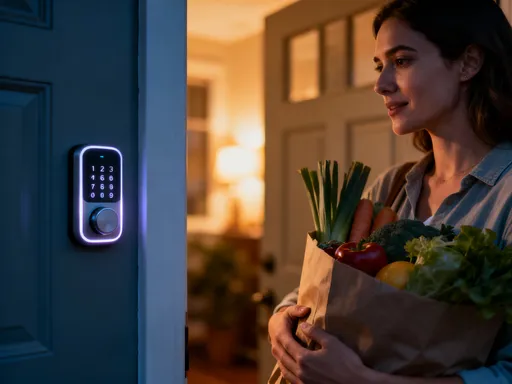
Stepping into my apartment with arms full of groceries, I once dropped three bags just to fumble for my keys. That moment wasn’t just frustrating—it made me feel unsafe, unsteady, and oddly defeated. Like many, I used to think smart locks were for tech geeks or luxury apartments. But when I finally tried one, everything changed. It wasn’t just about opening a door—it was about gaining confidence, peace, and a surprising sense of control in daily life. That single moment of struggle became the beginning of a much bigger shift, not just in how I enter my home, but in how I move through my days with more ease, less worry, and a quiet sense of pride in taking care of myself and my family.
The Moment I Knew My Old Lock Wasn’t Working for Me
There’s a specific kind of stress that comes from standing outside your own front door, soaked by rain, with nowhere to put your purse, your phone slipping from your hand as you twist a stiff key that refuses to turn. That was me one Tuesday evening, shivering on the doorstep after coming back from picking up my daughter from soccer practice. The wind had knocked the door shut behind me earlier, and I hadn’t realized the latch had caught. I stood there for nearly 45 minutes waiting for a locksmith, feeling every passing car slow down to look, wondering if my kids were scared inside, and questioning how something so basic—getting into my own home—had become such a crisis.
And it wasn’t the first time. That year, I got locked out twice. Once because my key snapped in the lock after years of wear. Another time because I handed the spare to my sister who accidentally left it at a friend’s house. Each incident didn’t just cost me money and time—it chipped away at my sense of safety. I started hiding keys under mats, which never felt right. Who hasn’t heard stories about burglars finding those? I began asking neighbors to let me in, which felt like a burden. I even started double-checking the door three times before leaving, just to make sure I hadn’t locked myself out again. That kind of constant vigilance isn’t just tiring—it’s heavy. It weighs on your peace of mind in ways you don’t notice until they’re gone.
What finally pushed me to look for a different solution wasn’t just the lockouts. It was the way the old lock made me feel—like I was always one wrong move away from chaos. As a working mom, I’m used to juggling. But this? This was supposed to be the one thing that worked without effort: coming home. Instead, it had become another thing on my mental checklist. That’s when I started wondering: why should such a simple act feel so hard? And that question led me straight to smart locks.
Discovering Smart Locks: First Impressions and My Biggest Fears
When I first heard about smart locks, I’ll admit—I rolled my eyes a little. They sounded like something from a futuristic movie, or something only young tech bros in downtown lofts would care about. I imagined complicated apps, passwords I’d forget, and worst of all, being stuck outside because the battery died or the Wi-Fi went out. I pictured myself tapping frantically on my phone while my kids whined behind me, bags of groceries melting in the summer heat. My biggest fear? That I’d trade one kind of frustration for a whole new, more complicated one.
Then my friend Lisa invited me over and casually opened her front door with a tap of her finger on a sleek metal panel. No key. No fumbling. Just a soft click, and she walked in. I stood there, stunned. “What if your phone dies?” I asked. She laughed and showed me the keypad code option, then pointed to the tiny port on the bottom where you can plug in a 9-volt battery in an emergency. “And there’s still a keyhole,” she said. “But I haven’t used it in months.”
That visit changed everything. I went home and started researching. What I found surprised me. Most smart locks run on regular AA batteries that last up to a year. Many send app alerts when the battery is low—so you’re never caught off guard. They’re designed to be secure, with encrypted signals and unique access codes. Some even have auto-lock features so you never have to wonder, “Did I lock the door?” And yes, they still have a traditional key option as backup. The more I read, the more I realized my fears were based on myths, not facts. This wasn’t about replacing trust with technology. It was about using technology to support the life I was already living—more safely, more smoothly.
Installing My First Smart Lock: Easier Than I Thought
I’ll be honest—I almost backed out at the last minute. Standing in the hardware store, holding the box, I kept thinking, “What if I can’t install it? What if I mess up the door?” But I reminded myself: this was meant for people like me, not electricians. I picked a model with great reviews and clear setup videos online. I brought it home on a quiet Sunday morning, grabbed a screwdriver, and got to work.
The whole process took less than an hour. The instructions were simple, and the app walked me through each step with diagrams and voice prompts. I removed the old lock, lined up the new one with the existing holes—perfect fit—and tightened the screws. Then I installed the exterior keypad and tested the connection. The app recognized the lock instantly. I set up my personal code, added my husband, and even created a temporary one for my mom. Then came the real test: could my kids use it?
My daughter, who’s ten, figured it out in seconds. My son, seven, needed one try to remember his four-digit code. No more broken keys. No more lost spares. No more frantic calls when the babysitter arrived early. That night, as I lay in bed, I realized something important: this wasn’t a gadget. It was a solution. It didn’t disrupt our routine—it fit into it. And the confidence I felt wasn’t just about the lock. It was about me. I had done this. I had stepped into something new, and it worked.
Daily Life, Transformed: Small Wins That Added Up
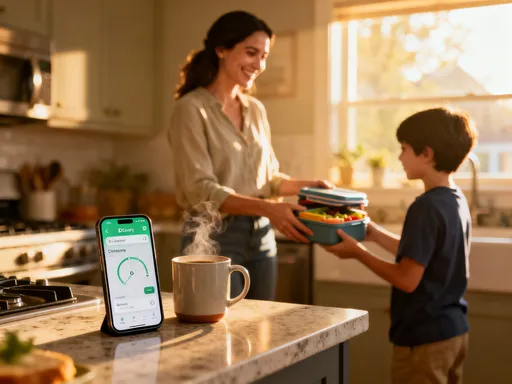
The real magic of the smart lock isn’t in the big moments. It’s in the tiny, everyday victories that add up over time. Like coming home from the grocery store with both hands full and having the door unlock automatically as I walk up the path. No juggling. No dropping anything. Just walking in, safe and steady. Or realizing I forgot to lock the door after dropping the kids at school—and fixing it with one tap on my phone from my desk at work. That kind of control is more than convenient. It’s calming.
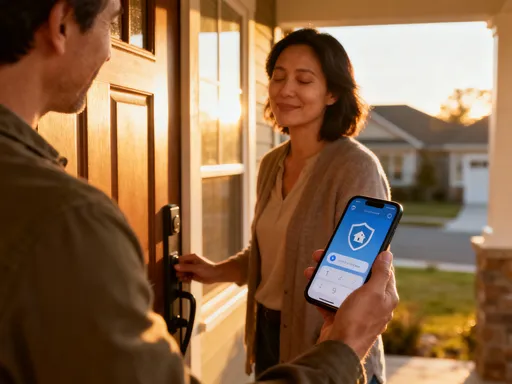
My parents live two hours away, but they visit often to help with the kids. Before, I had to mail them a key or hide one outside—neither option felt great. Now, I send them a temporary code that works only during their visit. They text me when they arrive, and I know the door opened for them. When they leave, the code expires. No risk. No stress. Even my dog walker uses a permanent code, and I can see in the app when she comes and goes. It’s not about suspicion—it’s about peace of mind.
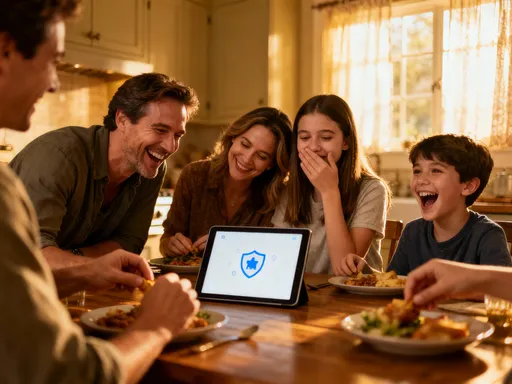
And let’s talk about bedtime. I used to get up three times to check the lock. Now, I lie in bed, open the app, and confirm with a glance. Or better yet, I say, “Hey Google, is the front door locked?” and the voice assistant tells me it is. That small change has given me back hours of mental energy over the year. I’m not obsessing over what-ifs. I’m sleeping better. I’m moving through my days with more clarity. The lock didn’t just secure my home—it secured my calm.
Building Confidence Through Control and Convenience
What surprised me most wasn’t the convenience. It was the confidence. Before the smart lock, I felt like I was always reacting—chasing keys, worrying about access, cleaning up after small failures. Now, I feel like I’m in charge. I can see every entry and exit in the app’s history. I get instant alerts if someone tries to unlock the door with the wrong code. One night, I got a notification: “Failed unlock attempt.” My heart jumped. I pulled up the app, saw the time, and called my neighbor. She laughed and said her teenage son had been pressing buttons out of curiosity. No harm done. But knowing about it? That made all the difference.
That moment taught me something important: security isn’t just about keeping people out. It’s about knowing what’s happening. It’s about awareness. And that awareness gives you power. When I travel, I don’t leave my home behind with a knot in my stomach. I check in from the airport. I lock the door remotely if I forgot. I share access with a trusted friend who collects my mail. I don’t have to choose between freedom and safety. I can have both.
And that sense of control extends beyond the front door. I started paying more attention to other parts of my home. I added smart lights on timers so it looks like someone’s always here. I set up motion alerts on my porch camera. These aren’t paranoid habits—they’re thoughtful choices. The smart lock didn’t make me fearful. It made me proactive. It helped me feel more capable, more prepared, more like the kind of person who takes care of things before they become problems.
Learning Along the Way: Tips That Made a Difference
Of course, I didn’t get everything right the first time. I learned a few things the hard way. Like the time I forgot to update the lock’s firmware and couldn’t connect to the app for a few days. Or when I shared a code with a guest but forgot to set an expiration date, and it stayed active for weeks. I also learned that a strong Wi-Fi signal near the door is essential—otherwise, the remote features can lag.
But each mistake taught me something. Now, I treat the lock like any important tool: I maintain it. I check the battery level monthly. I update the software when the app reminds me. I label each access code clearly—“Mom,” “Dog Walker,” “House Cleaner”—so I know who has access and when. I also set expiration dates for temporary users, usually 24 to 72 hours, depending on the visit. It’s a small step, but it keeps everything secure.
One of my favorite discoveries was voice control. I have Google Assistant in the kitchen, and now I can lock the door without even touching my phone. “Hey Google, lock the front door,” and I hear the soft click from the hallway. It’s perfect for busy mornings when I’m rushing to get everyone out the door. My kids think it’s magic. I think it’s smart living. These little habits didn’t take long to build, but they’ve made the system more reliable and more personal. And every time I use a new feature, I feel a quiet pride—not just in the technology, but in myself for learning it.
Why This Simple Change Changed More Than Just My Door
If you had told me a year ago that switching my front door lock would change how I see myself, I wouldn’t have believed you. But here’s the truth: that small upgrade sparked something bigger. I used to avoid new technology, convinced it was too complicated, too fragile, too much work. I’d see smart thermostats or robot vacuums and think, “Maybe someday.” But after the smart lock worked so smoothly, I started to wonder: what else could I try?
I bought a smart speaker for the kitchen. Then a robot vacuum that runs on a schedule. I set up shared family calendars so we can track appointments without yelling across the house. I even started using a sleep tracker to improve my rest. None of these were life-or-death changes. But together, they’ve made my life feel lighter, more organized, more intentional. I’m not just surviving my days—I’m enjoying them more.
That shift didn’t happen because I became a tech expert. It happened because I took one small step toward making my life easier—and it worked. That success gave me the courage to try more. It reminded me that I’m capable of learning, adapting, and growing, no matter my age or background. And that confidence? It’s spread into other areas—how I speak up at work, how I set boundaries, how I take time for myself.
So yes, it started with a lock. But it became about so much more. It became about trusting myself. About believing that I deserve a home that works for me, not against me. That I can embrace change without fear. That small, thoughtful choices—like upgrading a lock—can lead to bigger transformations in how I live, how I feel, and how I see my place in the world. Because when your front door opens with a touch, it’s not just your home that welcomes you. It’s a version of yourself who’s stronger, calmer, and more in control than you realized. And that? That’s worth every single step.