Tired of Skipping Workouts? How My Family Stays Active Together — Even with Zero Free Time
We’ve all been there — “I’ll exercise later” turns into “I didn’t move all day.” With work, kids, and endless chores, finding time to stay fit feels impossible. But what if staying active wasn’t another task on your list — but part of how your family connects? I used to miss workouts constantly, until we reimagined fitness not as a solo grind, but as shared moments woven into our busy days. It’s not about gym hours. It’s about tiny, meaningful moves that add up — together. And the surprising secret? We didn’t hire a trainer or clear our calendars. We leaned on simple, everyday technology already in our home — not for security alone, but to gently guide us toward moving more, laughing louder, and feeling stronger — as a family.
The Myth of “Enough Time” for Fitness
Let’s be honest — the idea that we need 30 uninterrupted minutes, workout clothes, and perfect motivation to be “really” active is outdated. And for most of us juggling school runs, laundry piles, and work deadlines, it’s just not realistic. I used to believe that unless I did a full yoga flow or ran three miles, it didn’t count. That mindset left me feeling guilty, defeated, and eventually, completely disconnected from any kind of routine. The truth is, we don’t lack willpower — we lack systems that fit our lives. Real life doesn’t pause for fitness. So why should fitness wait for life to pause?
Science now shows that short bursts of movement — even one or two minutes at a time — can have real benefits for heart health, energy levels, and mental clarity. The key is consistency, not duration. But how do you remember to move when your brain is already overwhelmed with grocery lists and calendar alerts? That’s where technology, used wisely, became our quiet ally. Instead of chasing big blocks of time, we started looking for micro-moments — waiting for the coffee to brew, standing at the sink, walking from the car to the house. These in-between seconds, when linked with a little tech nudge, turned into real movement.
What changed for us wasn’t a new app or a fancy wearable — it was a shift in perspective. We stopped seeing fitness as something separate from our day and started seeing it as part of how we lived. And that shift didn’t come from willpower. It came from design. By using tools we already trusted for safety and convenience, we created a home environment where moving felt natural, not forced.
How Our Family Stopped Waiting for “Later”
I’ll never forget the moment I realized something had to change. I was sitting on the couch after putting the kids to bed, scrolling through my phone, when I noticed I hadn’t stood up in over two hours. My back ached, my mind felt foggy, and I was frustrated with myself — again — for skipping my workout. “Tomorrow,” I whispered, just like I had the day before, and the day before that. That night, I talked to my partner about how disconnected I felt from my body, and to my surprise, he felt the same. Our kids were active, sure — but we, as adults, were just surviving.
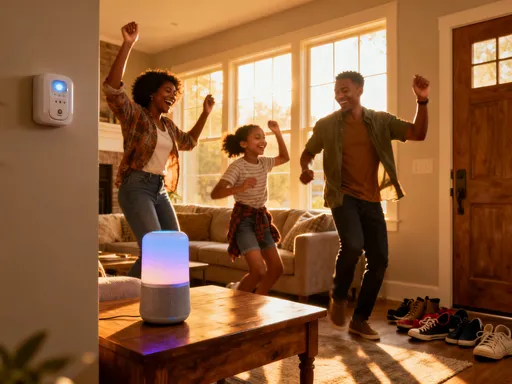
We decided to try something different. Instead of setting goals we couldn’t keep, we asked: How could we move together, even if only for a minute? We already had a home security system with motion sensors, smart speakers, and connected door locks — mostly for peace of mind when we traveled. But what if we used those same tools to support our health? We started small. We programmed a voice reminder on our smart speaker to say, “Time to wiggle!” every time motion was detected in the living room after 6 PM. At first, it felt silly. But soon, the kids would shout, “Dance break!” and we’d all jump up for a quick boogie while dinner cooked.
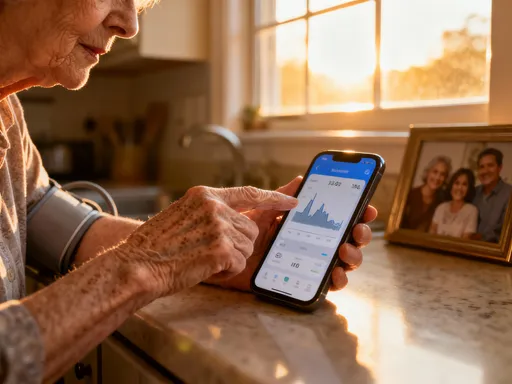
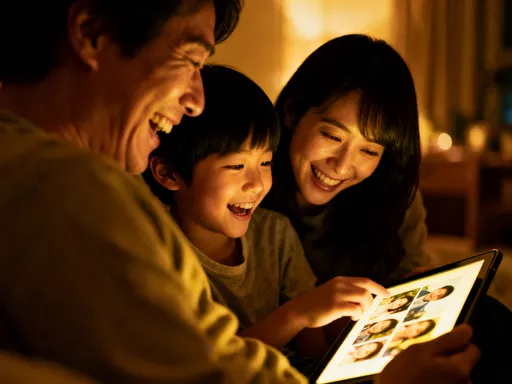
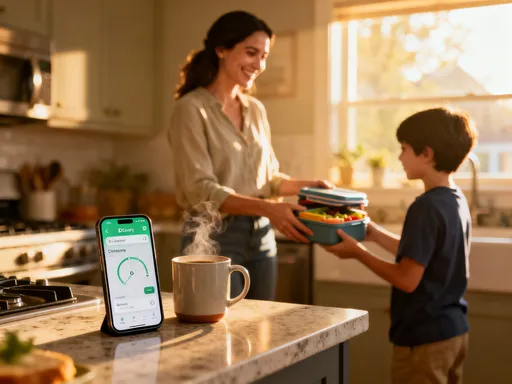
Then we added a step challenge that included the whole family — even my mom, who lives two states away. Using a simple shared dashboard on a tablet in the kitchen, we could see how many steps we’d taken collectively each day. No pressure, no competition — just celebration. When we hit 20,000 steps as a household, the system played a cheerful jingle and the kids earned a virtual sticker. It wasn’t about winning. It was about showing up. And slowly, those tiny actions built a rhythm. We weren’t waiting for “later” anymore. We were moving now — because the moment invited us to.
Turning Everyday Spaces into Mini Gyms
You don’t need a home gym to get stronger. You just need to see your home differently. Once we started using technology to prompt movement, we began noticing how many opportunities we already had. The kitchen counter? Perfect for triceps dips. The hallway? Ideal for quick lunges while waiting for the microwave. Even folding laundry turned into a chance to squat instead of bend. We programmed our smart speaker to play upbeat music for three minutes after the kids’ bedtime routine began — our cue for a quick family stretch or a few rounds of jumping jacks.
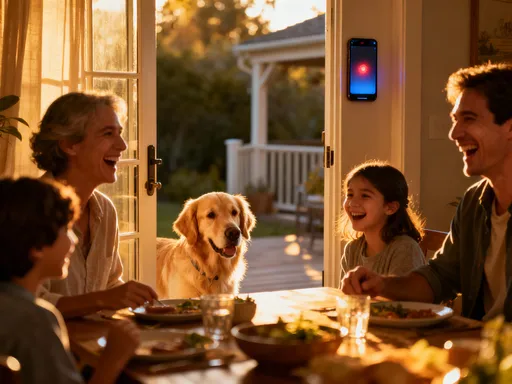
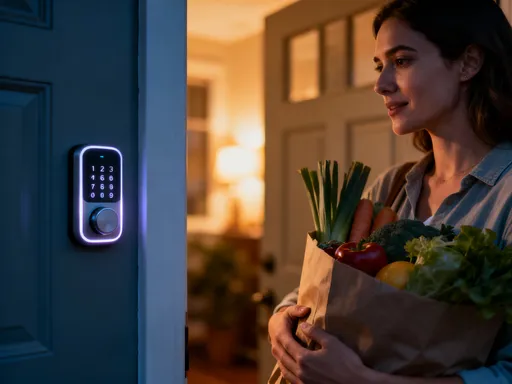
One of our favorite triggers is the front door unlock. Every time someone comes home, a gentle voice says, “Welcome back! How about a quick walk around the block?” Some days we say no. But more often than not, one of us says yes — and then someone else joins. Before we know it, we’re all outside, the dog in tow, talking about our day under the evening sky. It’s not a workout. It’s connection. But it’s also 1,500 steps and fresh air — and that counts.
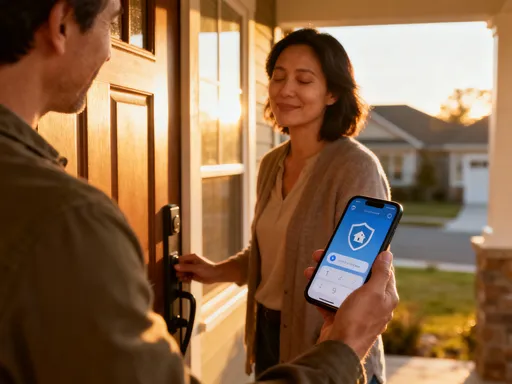
We also used motion sensors in less obvious ways. For example, if no one has moved in the living room for over an hour, the system sends a notification: “Time to stretch! Try reaching for the sky or touching your toes.” It’s not pushy. It’s kind. And because it’s tied to something we already use — our security system — it feels natural, not like another app demanding attention. The tech didn’t replace our effort. It removed the friction of starting. And that made all the difference.
Shared Goals, Shared Energy
Fitness can feel lonely when it’s just you on a treadmill while everyone else is living life around you. But when movement becomes a shared family value, it transforms. We stopped focusing on individual goals — how many miles I ran or how many pounds I lost — and started celebrating what we did together. Our shared dashboard shows total steps, active minutes, and completed “movement moments” — like dancing, walking, or stretching. We don’t compare who did more. We celebrate that we all showed up.
My kids love earning digital badges for things like “Most Likely to Do a Cartwheel” or “Best Living Room Dancer.” It’s playful, not pressured. And my mom, who joined remotely, gets a weekly summary of our family activity. She calls us every Sunday to cheer us on. “You walked 15,000 steps on Thursday? That’s amazing!” she’ll say. It’s become part of our connection — a way to stay close even when we’re apart.
What surprised me most was how this shifted our family culture. We started noticing each other’s energy. “Mom, you seem stressed — want to do the breathing exercise with me?” my daughter asked one evening. That moment wasn’t about fitness. It was about care. And it happened because we’d built a home where taking care of yourself wasn’t selfish — it was something we did together. The dashboard didn’t just track steps. It reflected our growing bond.
Tech That Feels Like a Helping Hand, Not a Taskmaster
Not all technology supports well-being. Some apps make you feel like a failure if you miss a day. Some wearables buzz with guilt-inducing messages. We made a conscious choice to use tools that felt supportive, not scolding. Our system doesn’t track calories or shame us for sitting too long. Instead, it offers gentle nudges — like a friend whispering, “Hey, don’t forget to move.”
For example, if the motion sensor detects that someone has been sitting at the kitchen table for more than 45 minutes, the smart speaker softly says, “Time to stand and stretch! Try a side bend or a shoulder roll.” It’s not a command. It’s an invitation. And because it’s tied to a system we already trust for safety, it feels familiar and kind — not like another demand on our time.
We also customized the language to match our tone. Instead of “Workout reminder,” we chose phrases like “Let’s wake up our bodies” or “Time for a family stretch.” Small changes, big impact. The kids don’t resist because it doesn’t feel like a chore. It feels like a game, a habit, a part of our day. And for me, as a mom who already feels pulled in ten directions, that emotional intelligence in the tech — the kindness, the flexibility — made it sustainable. I didn’t need more willpower. I needed a system that understood real life.
Building Routines Without the Rigidity
Structure helps, but only if it bends. We didn’t create a strict fitness schedule — because life doesn’t follow scripts. Instead, we designed movement opportunities that fit around our natural rhythms. Mornings are chaotic, so we set a simple trigger: when the coffee maker turns on, the speaker plays one minute of upbeat music. That’s our cue to dance with the kids while breakfast cooks. It’s not long. It’s not intense. But it wakes up our bodies and starts the day with joy.
In the evening, after homework and dinner, we have a “wind-down” routine. The lights dim, the speaker plays soft music, and we spend five minutes doing gentle stretches or breathing exercises. Sometimes the kids skip it. Sometimes they stay. But the invitation is always there. We didn’t force it. We made it easy to say yes.
The key was flexibility. If we’re traveling, the routine pauses. If someone’s sick, we adjust. The system adapts because we do. And that’s what makes it last. It’s not about perfection. It’s about presence. By using technology to create gentle, repeatable cues — not rigid rules — we built habits that survive the messiness of real life. And over time, those small moments became the rhythm of our days.
More Than Fitness: Calmer Minds, Stronger Bonds
The changes went deeper than stronger muscles or better sleep — though we got those, too. What surprised me most was how much calmer our home felt. The kids were more focused. My partner and I argued less. We laughed more. Movement wasn’t just about physical health. It became a form of emotional regulation — a way to release stress, reset our moods, and reconnect.
One rainy afternoon, the kids were restless and bickering. Instead of yelling, I said, “Let’s have a living room Olympics!” We set a timer for five minutes and did silly challenges — crab walks, balance poses, jumping jacks. By the end, we were all laughing, out of breath, and suddenly, the tension was gone. That moment didn’t come from a parenting book. It came from having a culture of movement — where moving your body is also a way to reset your heart.
Looking back, I realize we didn’t just build a healthier family. We built a more connected one. The technology didn’t replace love or effort. It simply made it easier to show up for each other — and for ourselves. We’re not perfect. Some days we skip the dance breaks. Some days the dashboard shows low steps. But we’re no longer waiting for “later.” We’re living now. And in those small, shared moments of movement, we’ve found something bigger: a home that moves — together.