Sick of forgetting important moments with your parents? Voice memos that keep love alive
Have you ever missed a heartfelt story from your mom because you were too busy to write it down? Or wished you could preserve your dad’s old-life advice exactly as he said it? In our fast-paced world, precious memories often slip away. But what if a simple tap on a phone could capture not just words, but warmth, tone, and connection? Voice memo apps are quietly becoming one of the most meaningful tools for staying close to aging parents—no tech skills required. These little recordings do more than save sound; they hold laughter, pauses, sighs, and the rhythm of a familiar voice. And for families spread across miles or generations, that can mean everything.
The Moment That Changed My Perspective
It was a quiet Sunday afternoon when I visited my mom at her apartment. She was sitting by the window, sipping tea, her hands wrapped around the cup like she used to when I was a child. Out of nowhere, she started telling me about the first time she saw snow. She was eight years old, living in a small town up north, and she’d run outside barefoot, amazed by the white blanket covering the yard. I remember smiling, listening, but also glancing at my phone—emails piling up, grocery list to finish. I jotted down a few notes, thinking I’d write it all out later. But by the next day, the details had faded. The way her voice softened when she said “like sugar falling from the sky,” the little chuckle after she admitted she caught snowflakes on her tongue—those were gone.
Two weeks later, I asked her to repeat the story. She tried, but it wasn’t the same. Something was missing—the emotion, the pacing, the way she paused to remember. That’s when it hit me: writing things down wasn’t enough. I wasn’t preserving her story. I was summarizing it. Then I remembered the voice memo app on my phone. The next time she started sharing, I gently asked, “Mind if I record this? I want to remember how you tell it.” She shrugged, said “sure,” and kept talking. A week later, I played it back while driving. I had to pull over. Hearing her voice—warm, a little shaky, full of wonder—brought her into the car with me. It wasn’t just memory. It was presence. That tiny file became more than data. It became comfort.
Why Voice Beats Text When Caring for Older Loved Ones
Think about the last time someone left you a voicemail. Even if the message was simple—“Just checking in”—you probably noticed more than the words. You heard the tone. Maybe they sounded tired, cheerful, distracted. That’s the magic of voice: it carries feeling in a way text never can. When your mom says, “I made your favorite soup today,” seeing it in a text feels nice. But hearing it—her voice rising slightly at the end, that little pause before she adds, “wish you were here”—that’s what makes your eyes water. For older parents, especially, spoken words are often more natural, more authentic than typing.
Many seniors aren’t comfortable with keyboards or messaging apps. The idea of typing a long message can feel like a chore. But talking? That’s easy. It’s how humans have shared stories for thousands of years. Voice memos remove the pressure to be perfect. No need to spell correctly, no worrying about grammar or how long the message is. They can start, stop, restart—no judgment. And that freedom lets the real stories come out. The ones with tangents, jokes, and unexpected details that make them uniquely theirs.
There’s also science behind this. Studies suggest that auditory memory—the ability to recall information heard—can remain strong even as other cognitive functions change with age. Hearing a familiar voice can trigger deeper emotional recall than reading words on a screen. One researcher put it this way: “The brain doesn’t just process sound—it responds to it.” So when your dad tells a story about his first job, the way he emphasizes certain words, the rhythm of his speech, even the background noise of the room—those aren’t distractions. They’re part of the memory. Voice captures all of it. Text captures only a fraction.
Real-Life Uses That Make a Difference Every Day
You might think voice memos are only for big stories—childhood memories, life advice, family history. But the truth is, the smallest moments often become the most meaningful. Take my friend Lisa, whose mom lives three states away. Every Friday, her mom records a short message: “Hi sweetheart, just wanted to say I saw the robins today—first ones of spring! Thought of you.” It’s not profound. But Lisa says she plays it when she’s stressed. “It’s like a hug in audio form,” she told me. “I can hear her smile.”
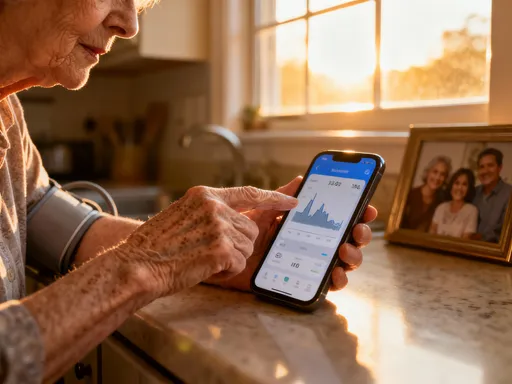
Then there’s David, whose dad has mild memory lapses. Instead of writing down reminders—which his dad often misplaces—David now records them. “Dad, don’t forget your blood pressure pill at 8 a.m. And your doctor’s appointment is Tuesday at 3.” He sends it as a voice message through a simple app. His dad says it feels less like being nagged and more like being cared for. “It’s your voice,” he told David. “I listen because it’s you.”
Some families use voice memos for bedtime. A grandparent records a short story or just says goodnight to the grandkids. One mom told me her four-year-old asks for “Grandma’s voice” instead of a lullaby. “He’ll hold the phone like it’s her hand,” she said. Others use them to preserve recipes. Imagine hearing your grandmother say, “Now, you don’t measure the butter—just grab a handful, like this”—and then the sound of her chuckling as she admits she never followed a recipe in her life. These aren’t just instructions. They’re legacy.
And when life gets busy, voice memos keep the connection alive without demanding a lot. No need to schedule a long call. Just a quick tap: “Saw the daffodils blooming today—made me think of your garden.” One recording, one minute, one moment of “I’m thinking of you.” That’s how love stays close, even when miles pull you apart.
Choosing the Right App Without Overcomplicating It
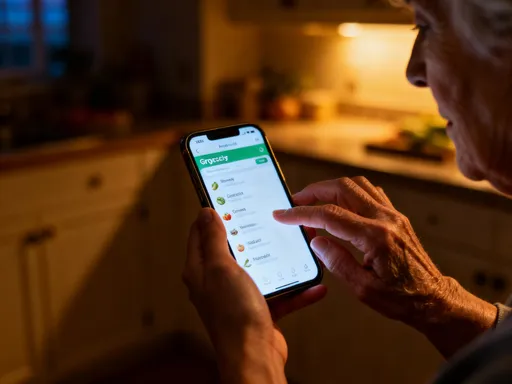
Now, I know what you’re thinking: “Apps? My mom barely uses email!” Don’t worry. You don’t need the fanciest tool. In fact, the best voice memo apps are often the ones already on the phone. iPhone users have “Voice Memos” built right in. Android users likely have “Voice Recorder” or a similar app. These are free, simple, and don’t require downloads or logins. That’s key. The fewer steps, the better.
When choosing an app—whether built-in or from the store—look for a few things. First, large buttons. Aging eyes may struggle with tiny icons. Second, automatic saving. You don’t want a recording lost because someone forgot to hit “save.” Third, cloud backup. This means the recording is stored safely online, not just on the phone. If the device is lost or breaks, the memories are still there. Apps like iCloud, Google Drive, or Dropbox can sync voice files automatically. But again—keep it simple. No need for extra features like voice-to-text or editing tools. Most parents don’t want to trim audio or add music. They just want to talk.
Here’s what I recommend: sit down with your parent and test the app together. Show them how to tap once to record, tap again to stop, and tap the file to play it back. Let them try it. Ask, “Does this feel easy?” If they frown at the screen or say, “Where’s the list?” that app might be too complex. The goal isn’t tech mastery. It’s comfort. One woman told me she switched from a third-party app back to her phone’s built-in recorder because “the other one had too many colors. It scared me.” Laugh if you want—but that’s real. Tech should serve the person, not the other way around.
Once you find the right app, create a small routine. Maybe Sundays after lunch. “Let’s record one story each week,” you could say. Or keep it even looser: “Anytime you think of something, just record it.” The habit grows best when it feels natural, not forced.
Making It a Habit—Without Pressure
The biggest mistake people make? Trying to turn this into a project. “We’re going to record your life story!” Sounds noble, but it can feel overwhelming. Your mom might freeze up, thinking, “Where do I even start?” Instead, start small. Start fun. Ask, “What was your first car like?” or “What did you want to be when you were ten?” These are light, nostalgic questions. They don’t feel heavy. And they often lead to bigger stories anyway.
Keep the sessions short—two or three minutes is plenty. You’re not making a documentary. You’re collecting moments. And don’t correct them. If your dad says he walked five miles to school uphill both ways, let it go. That’s not the point. The point is the way his voice rises with pride, the way he pauses to laugh at himself. That’s what you’re saving.
Prompts help. Keep a little list on your phone: “First pet,” “Favorite teacher,” “Best meal you ever had.” But don’t treat it like an interview. Bring one up casually. “Hey, Mom, I was thinking—what did you pack in your lunchbox when you were a kid?” Let her answer in her own way. And if she says, “I don’t remember,” that’s okay. Try again next time. The goal isn’t to collect every fact. It’s to create space for sharing.
Over time, something beautiful happens. At first, they might need you to start the recording. But later, you’ll get a message: “I was just thinking about something—I recorded it for you.” That’s the moment it becomes theirs. It’s no longer your project. It’s their voice, their choice, their gift to you. And that makes all the difference.
Protecting Privacy and Keeping It Safe
Now, let’s talk about what happens after the recording. Where does it live? On the phone? In the cloud? This matters. Phones break. Batteries die. Devices get lost. If the only copy of your dad’s story about serving in the National Guard is on a phone that won’t turn on, that’s heartbreaking. That’s why backup is essential. Most built-in voice memo apps now sync with cloud storage—iCloud for iPhones, Google Drive for Android. That means as soon as a recording is saved, it’s also stored safely online.
But don’t assume it’s automatic. Check the settings. Show your parent how it works. You might say, “See this little cloud icon? That means it’s saved in a safe place, even if the phone isn’t.” No need to dive into tech jargon. Just reassure them their words are protected.
Organization helps too. Name the files clearly. Instead of “Recording 12,” call it “Mom – 1950s School Days” or “Dad – First Job at the Diner.” That makes it easier to find later. You can even create folders—“Family Stories,” “Recipes,” “Messages for the Kids.” If you’re tech-savvy, you might set up a shared folder so siblings or cousins can access the files. But always ask first. Some people aren’t comfortable sharing personal stories widely. Consent matters. One daughter told me her mom refused to record certain memories unless they stayed “just between us.” Honor that. This isn’t about going viral. It’s about intimacy.
And security? You don’t need to scare your parents with talk of hackers. Just say, “We’ll keep these safe, like we keep photo albums locked away.” Use simple passwords, enable two-factor authentication if possible, but focus on peace of mind, not fear. These recordings are treasures. Treat them that way.
More Than Technology—It’s Love in Their Voice
Someday, you’ll play back a recording and realize your parent is no longer here to make new ones. When that day comes, that voice—familiar, warm, maybe a little cracked with age—will be one of your most precious possessions. I’ve heard from women who play their mom’s voice on birthdays. Men who listen to their dad’s laugh when they’re feeling low. These aren’t just files. They’re emotional lifelines.
And it’s not just for you. Think about your kids, your nieces, your grandchildren. One day, they’ll want to know what Grandma sounded like when she told a joke. How Grandpa cleared his throat before giving advice. Voices carry identity—accents, phrases, rhythms, little habits that make a person who they are. A written transcript can’t give that. But a voice memo can.
This isn’t really about technology. It’s about attention. It’s about saying, “I want to hear you. I want to remember you—exactly as you are.” In a world that rushes forward, voice memos let us pause. They invite us to listen—not just to words, but to the person behind them. They turn ordinary moments into heirlooms. And they remind us that love isn’t always in what we do. Sometimes, it’s in how we say it.
So next time you’re with your parent, or even on the phone, consider asking: “Can I record this?” You don’t need special equipment. No studio, no script. Just a phone, an open heart, and a willingness to listen. Because one day, that voice will mean more than you can imagine. And thanks to a simple tap, you’ll still be able to hear it. You’ll still be able to say, “I’m here. I’m listening. I remember.”